


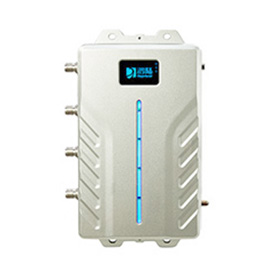
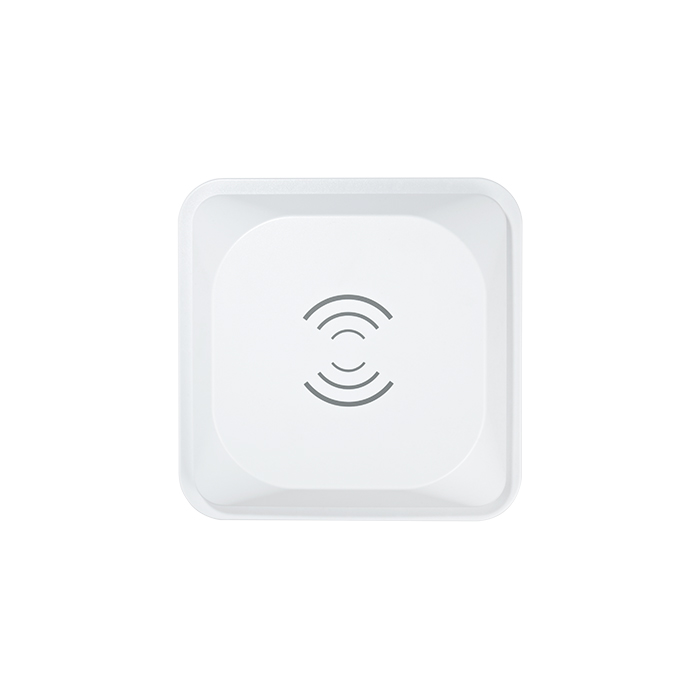

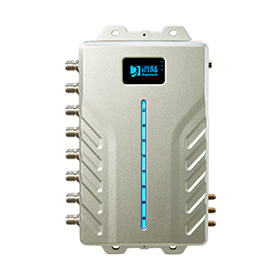
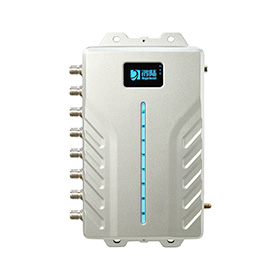
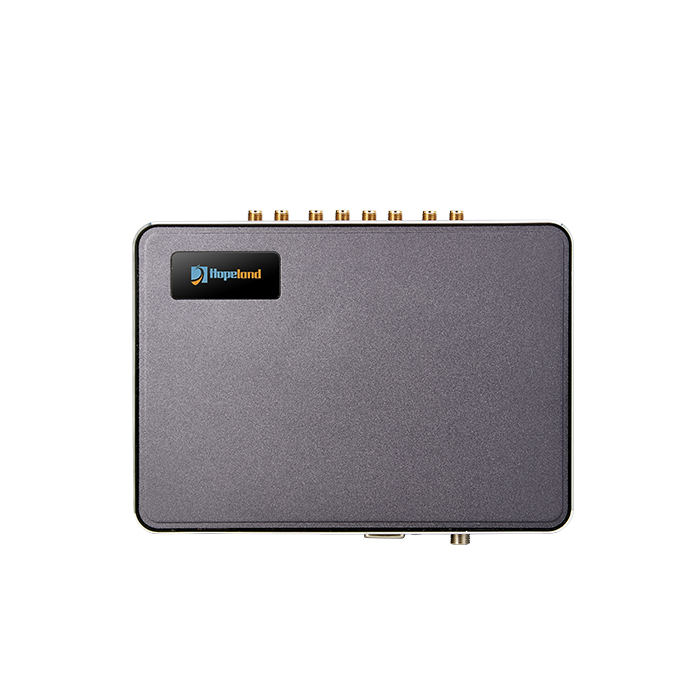
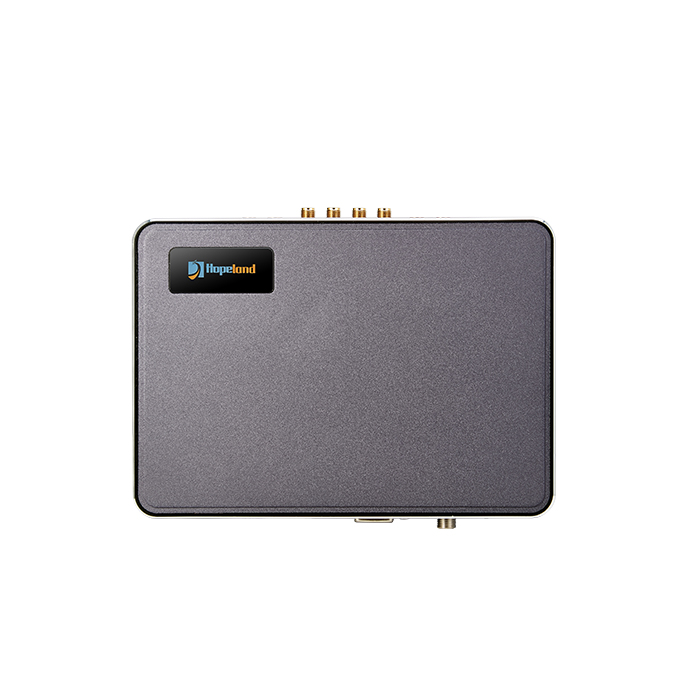
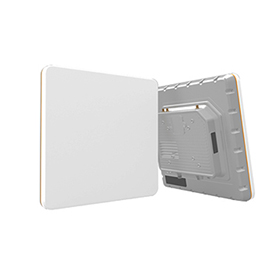
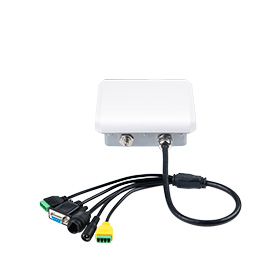

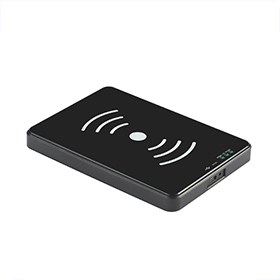
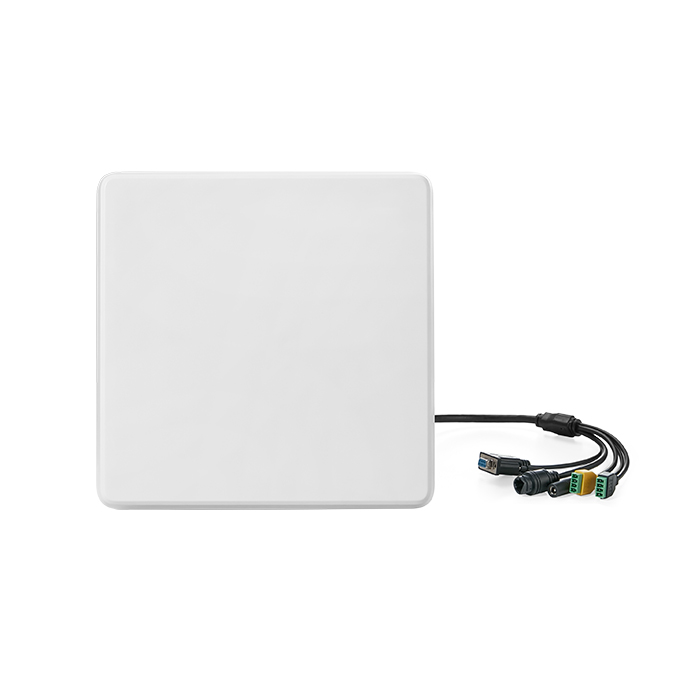
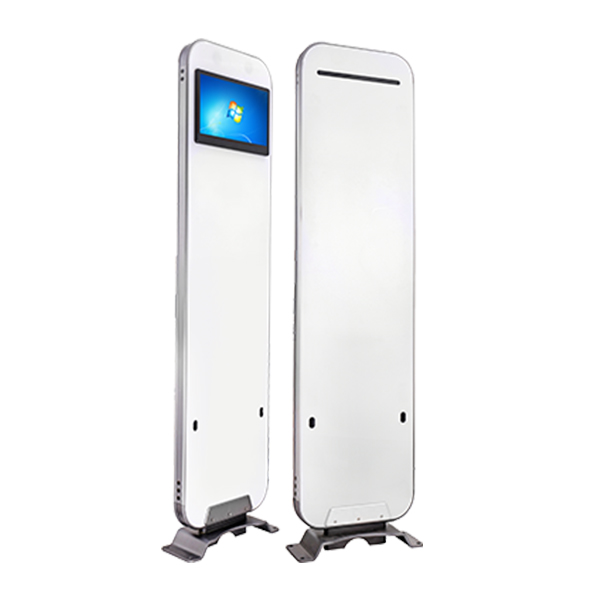





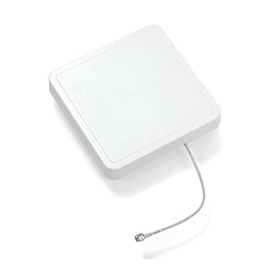
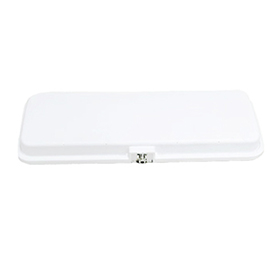
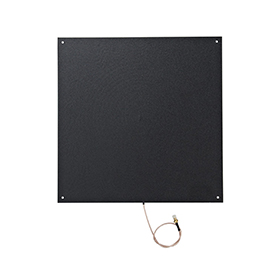
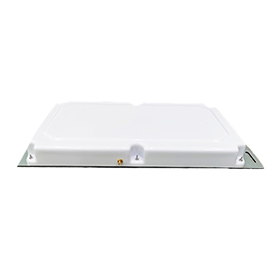




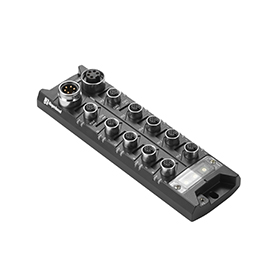
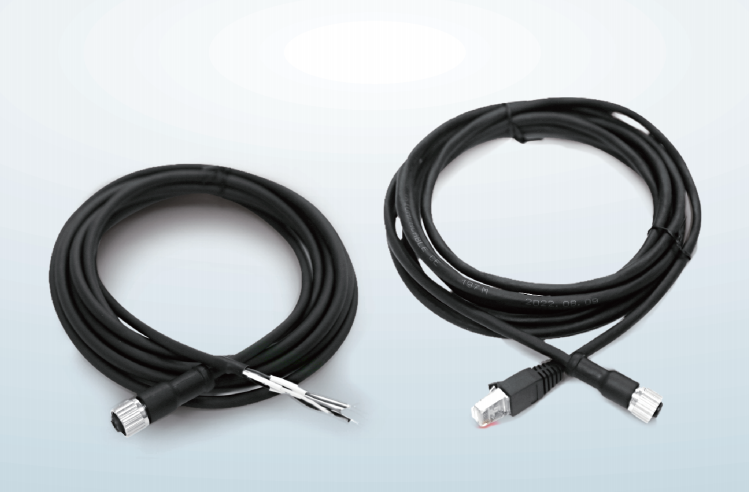
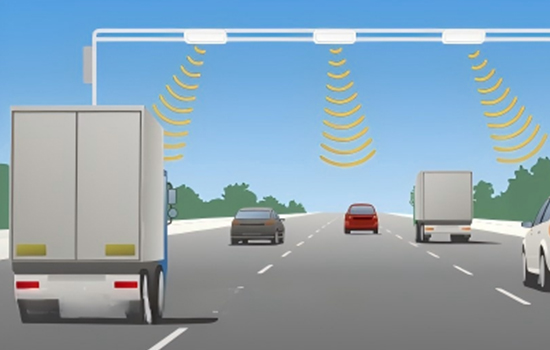
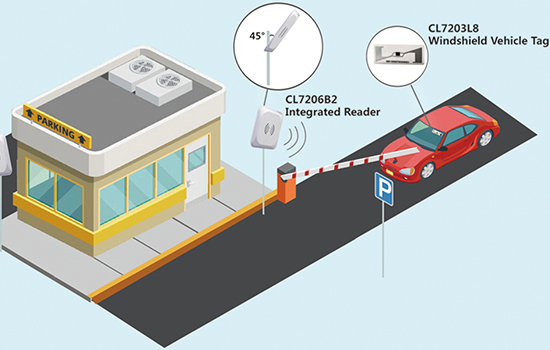














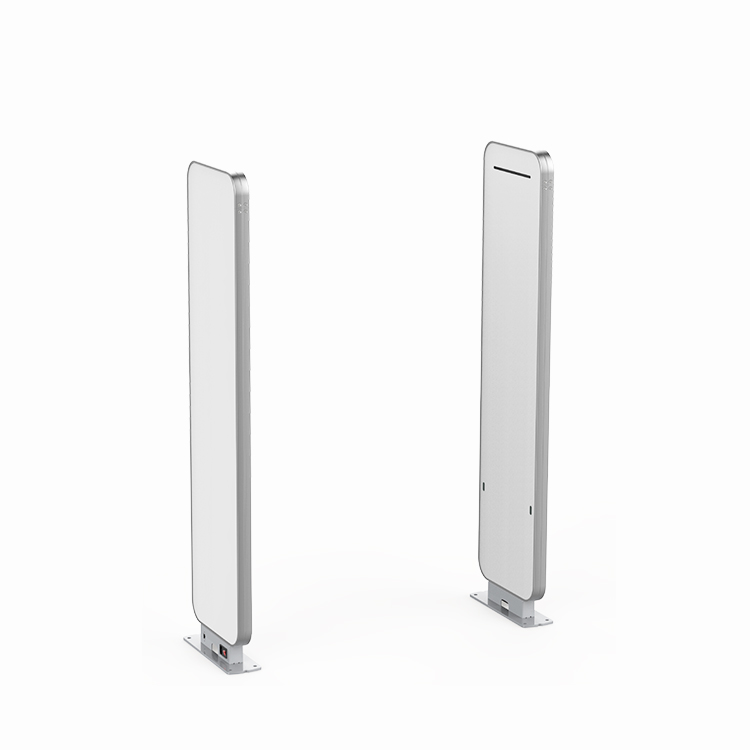
RFID Gate Reader
 /
/ 
-
 Air Protocols: ISO/IEC18000-6C / EPC C1Gen2; Firmware Upgrade: Demo software
 -
 Work Mode: Fixed/hop frequency optional; Reading Distance: 0-4m (Pre-factory setting)
 -
 Frequency: USA 902 MHz-928MHz (FCC part 15), EU 865-868MHz (ETSI EN 302208),etc.
 -
 Power Supply: DC 24V/2.5A (DC 9V ~ 30V,60W) Operating Temp.: -20°C to +55°C
Main Features
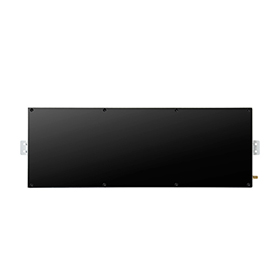
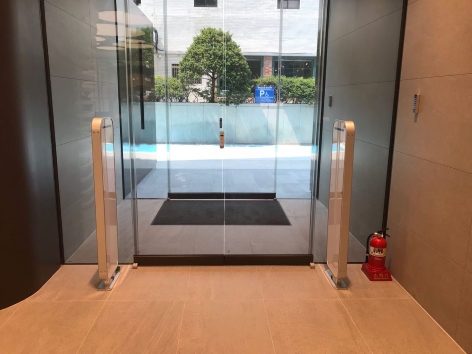
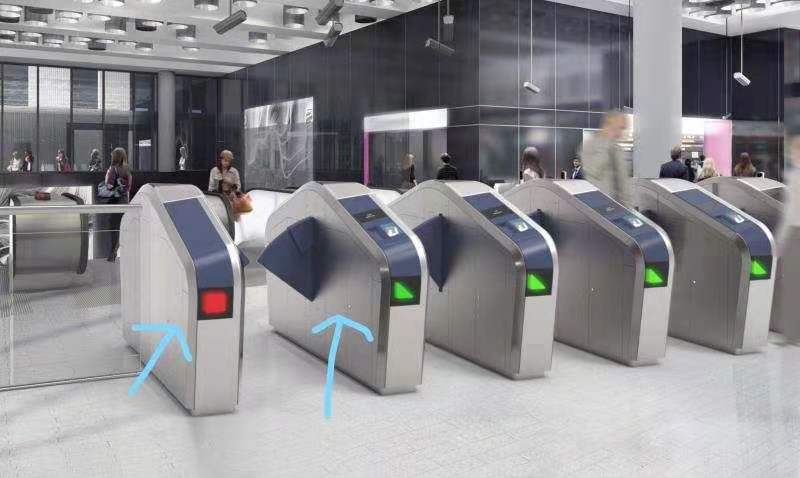
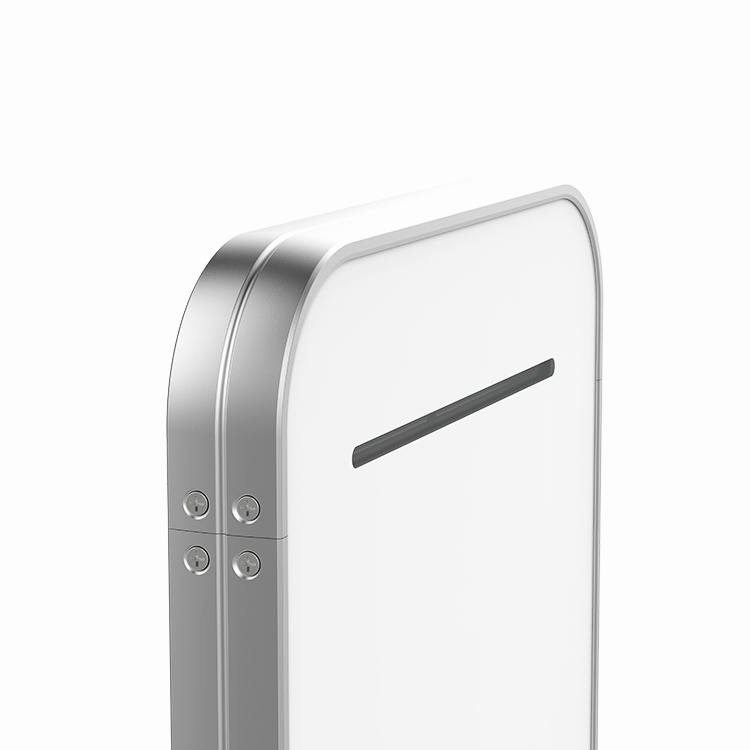
1.Ultra-slim 45mm profile with a premium, minimalist and sleek design
2.Built-in infrared sensor, which can trigger tag reading, or judge the entry and exit
3.Built-in alarm light and buzzer, sensitive alarm, safe and reliable
4.Support RSSI, antenna detection, online update
5.RSSI & speed filters
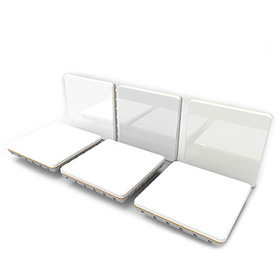
6.The antenna is specially designed to achieve a horizontal narrow beam design for accurate signal coverage with no blind spots
Main Features
1.Ultra-slim 45mm profile with a premium, minimalist and sleek design
2.Built-in infrared sensor, which can trigger tag reading, or judge the entry and exit
3.Built-in alarm light and buzzer, sensitive alarm, safe and reliable
4.Support RSSI, antenna detection, online update
5.RSSI & speed filters
6.The antenna is specially designed to achieve a horizontal narrow beam design for accurate signal coverage with no blind spots
-
RFID
Air Protocols ISO/IEC18000-6C / EPC C1Gen2 Frequency USA: 902 MHz-928MHz (FCC part 15)
EU: 865-868MHz (ETSI EN 302208),etc.Output Power 0dBm-33dBm (±1dBm) adjustable Work Mode Fixed/hop frequency optional Reading Distance 0-4m (Pre-factory setting) -
Physical
Dimensions 1490(H) * 365(W)* 45mm(T) Weight About 28kg Housing Material Die-cast aluminum with plastic -
Connectivity
Power Supply DC 24V/2.5A (DC 9V ~ 30V,60W) Communications RJ45 (10/100 Mbps Auto-Negotiation) -
Environment
Operating Temp. -20°C to +55°C Storage Temp. -40°C to +65°C Humidity 5-95% non-condensing (+25℃)
At present, the one-dimensional barcode/two-dimensional barcode identification technology has been widely used in the management of item classification and labeling. However, its barcode technology relies on visible light scanning reflection, has low recognition rate, is easy to break, contaminates, is sensitive to media such as water and oil, and stores a limited amount of information, which affects its application in large-scale logistics management.
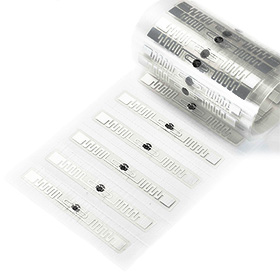
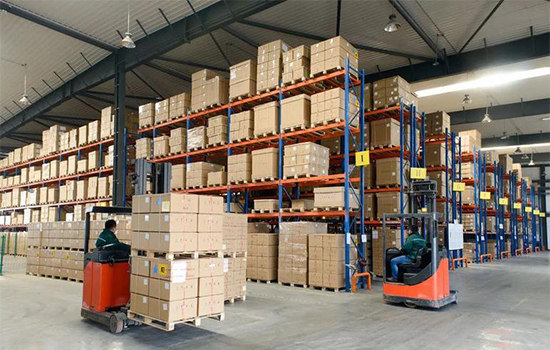
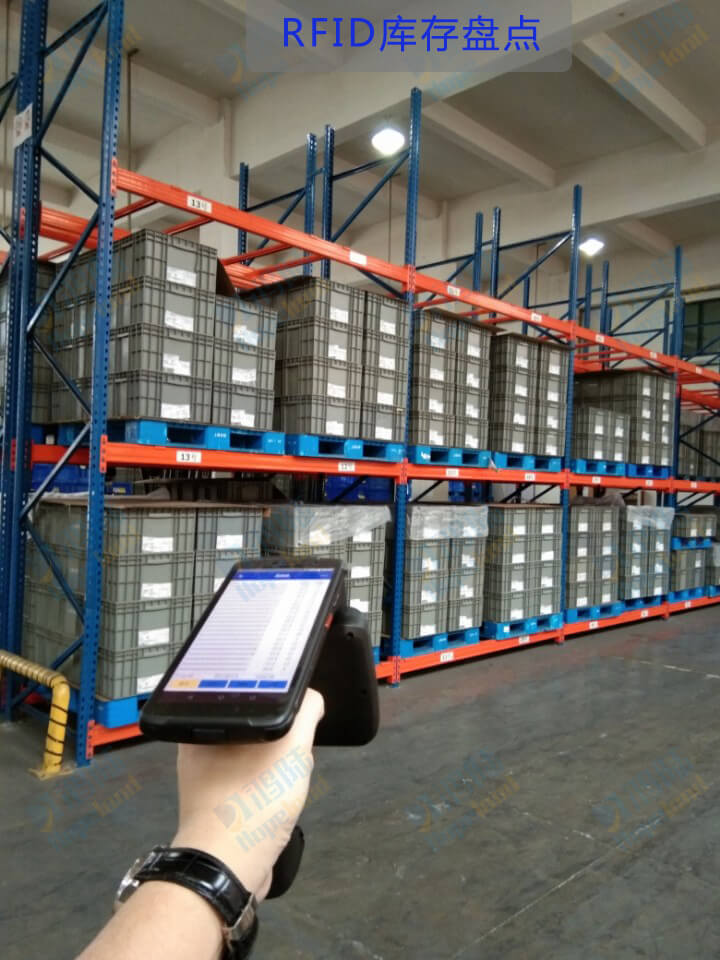
RFID radio frequency identification technology is a typical representative of automatic identification technology. It has high recognition accuracy, reliable performance, large amount of stored information, resistance to oil and sewage washing, etc. It is especially suitable for automatic identification requirements in industrial environments. The use of RFID tags to replace barcodes and other identification products can effectively complete the automatic management of warehousing and realize automatic collection, automatic processing and information reporting of product information.
Operating aspects:
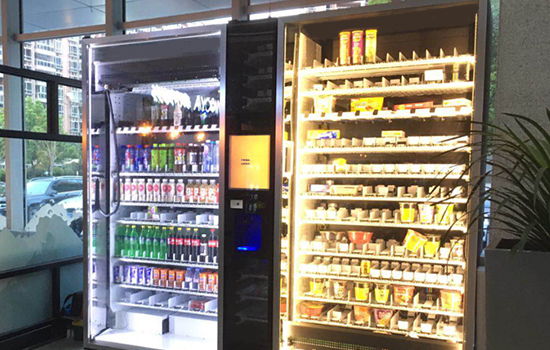
The operating costs of common convenience stores continue to rise
The cost of rent
convenience stores and merchants are more and more concerned with the capital. But the store resources are relatively scarce, and the pressure on the rising cost of rent will continue to exist in the future.
Labor costs
The decline of the working age workforce increases the labor cost. The increase of convenience store staff mobility and the increase of personnel costs and management costs.
The cost of water and electricity
The relative area is larger and the water power consumption is more.
Consumer aspects:
Purchasing daily necessities is inconvenient and far away.
There is no 24-hour store in the evening, and difficult to meet any emergency.
In terms of tool management application technology, traditional automatic identification technologies such as one-dimensional bar code/two-dimensional bar code have also been widely used in the management of item classification and labeling. However, the barcode technology itself relies on the visible light scanning reflection, the recognition rate is low, the barcode is easily damaged and stained, and the amount of stored information is small. Generally, it only identifies a certain type of product, which affects its wide application in logistics management.
Compared with barcode technology, RFID radio frequency identification technology is a typical representative of non-contact long-distance automatic identification technology. RFID technology has high recognition accuracy, reliable performance, large amount of stored information, and oil and sewage resistance, especially suitable for automatic identification requirements in harsh working environments. The use of RFID tags to replace barcodes and other identified goods can effectively complete the automatic management of assets, and realize the automatic collection, automatic processing and report output of asset information.
-
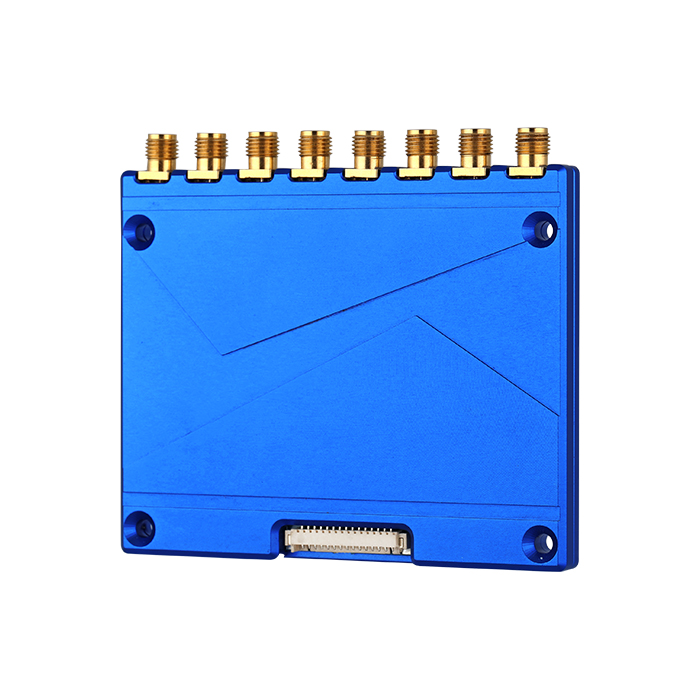
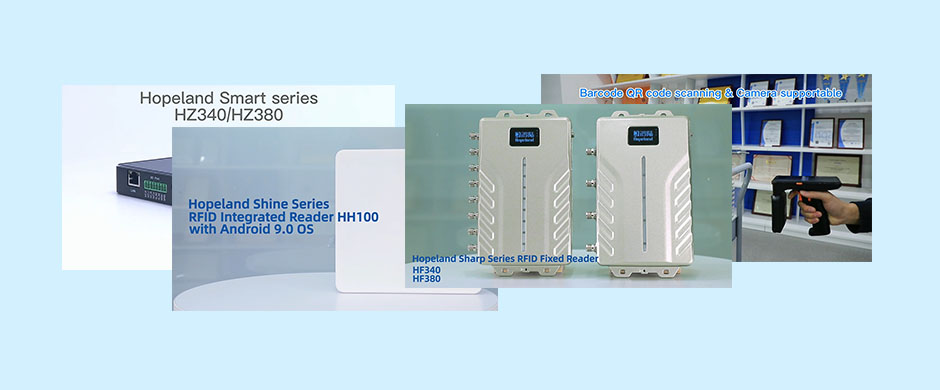
HZ380Cost-effective 8 Ports ReaderCost-effective multi-port fixed UHF RFID reading and writing device, supports ISO18000-6C/6B two protocols, output power 0 ~ 30dBm optional, with high recognition sensitivity, fast speed, strong anti-interference ability , Multi-antenna identification efficiency.Details
-
i3i3 RFID Access Control RFID Tracking Gate ReaderThe RFID access control system, let us truly live in a smart environment and greatly improve the security and ease of access. The staff of some important institutions, archives, scientific research laboratories, banks and so on, which need to be given access rights. Companies, hotels, offices, factories, and communities also need to strictly control the access personnel. The RFID access control system can achieve all-round access management.
UHF channel access system supports EPC C1G2 (ISO18000-6C) protocol, integrated high-gain antenna groups, the R2000-based reader and speed control module, with high-speed tag reading literacy and good control of the area, It provides a standard RJ45 / USB interface for easy connection software platform.Details -
HZ5808-port UHF RFID ModuleHZ580 UHF RFID module provides a wide power supply range (dc4.5v ~ 6V). This RFID reader module is configured GPIO interface (IO1-IO4, IO1 / IO2 as input and IO3 / IO4 as output). Its frequency range is from 840MHz to 960MHz. Users can easily communicate with their own equipment through UART-TTL pin on the interface of HZ580 UHF RFID module.Details
-
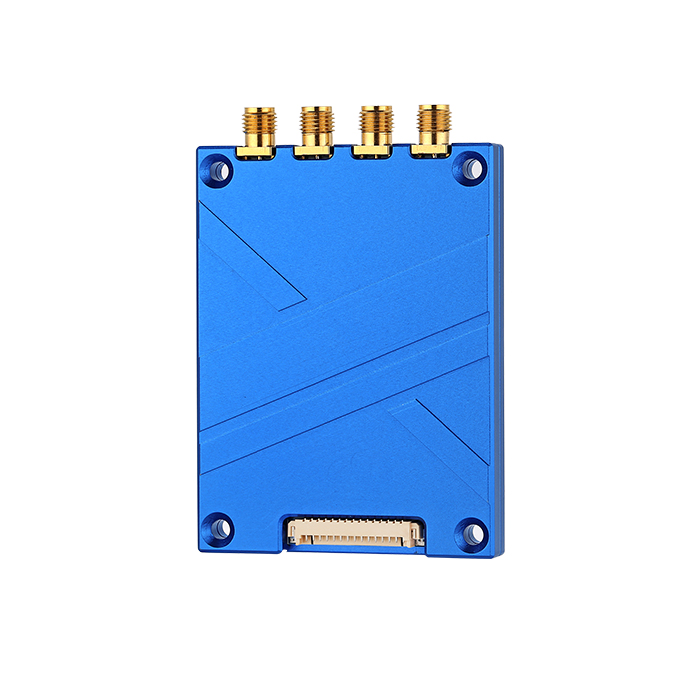
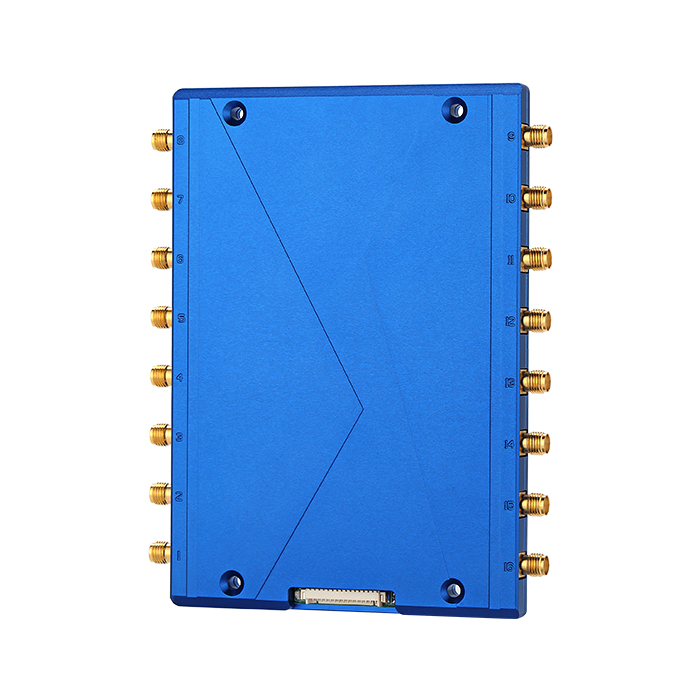
HZ53016-Port UHF RFID ModuleHZ530 16-Port UHF RFID Module is specialized module for developing 16-port fixed RFID reader and Smart RFID cabinet system. Based on Impinj R2000 chip platform, with 16 channels of SMA interfaces for RFID antennas, it support multiple-tag and long range reading.Details


