






























Background of the project
With the rapid development of fields such as life sciences, biopharmaceuticals, the chemical industry, and environmental testing, laboratory reagent management faces increasingly severe challenges. Traditional manual management methods—relying on paper logs and periodic manual inventory checks—commonly suffer from data gaps, inventory inaccuracies, delayed status monitoring, and traceability difficulties. Particularly in the management of hazardous chemicals, the state's continuously rising requirements for laboratory safety and environmental protection have driven a transformation toward intelligent, automated, and refined reagent management.
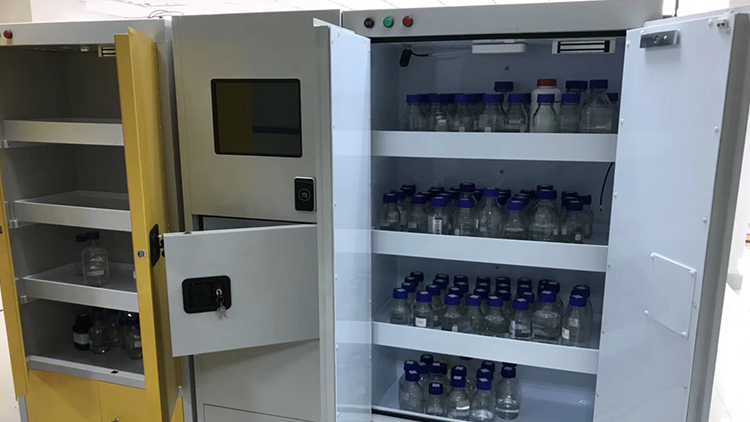
The RFID Smart Reagent Management Cabinet was developed against this backdrop. By integrating technologies such as RFID (Radio Frequency Identification), smart weighing, facial recognition, and IoT communication, it enables intelligent, full-lifecycle management of chemical reagents—covering everything from entry and storage to issuance, return, and disposal. This effectively resolves the pain points of traditional management methods, such as low efficiency, error-proneness, and poor traceability.
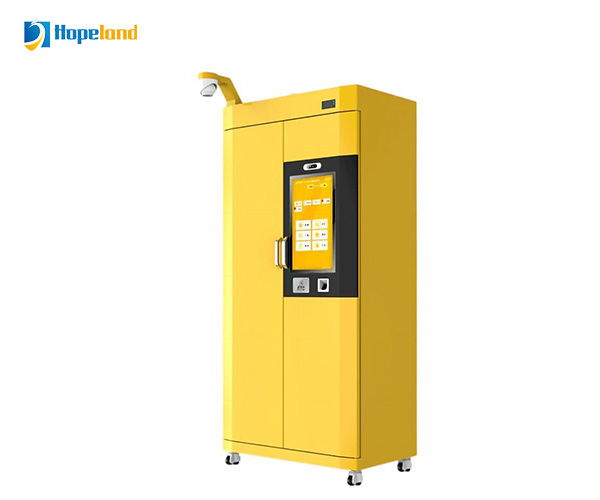
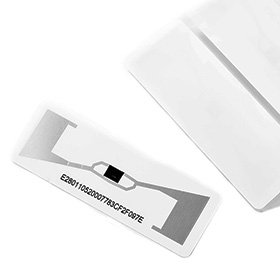
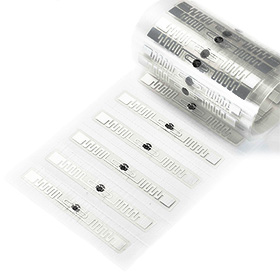
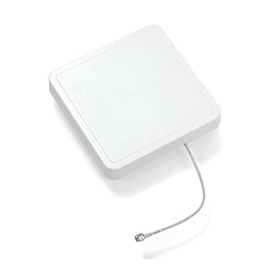
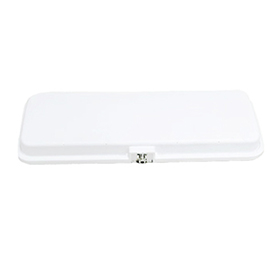
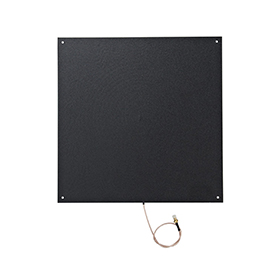
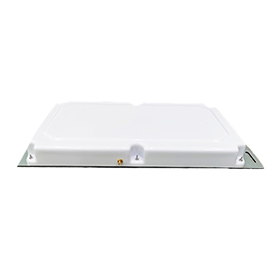
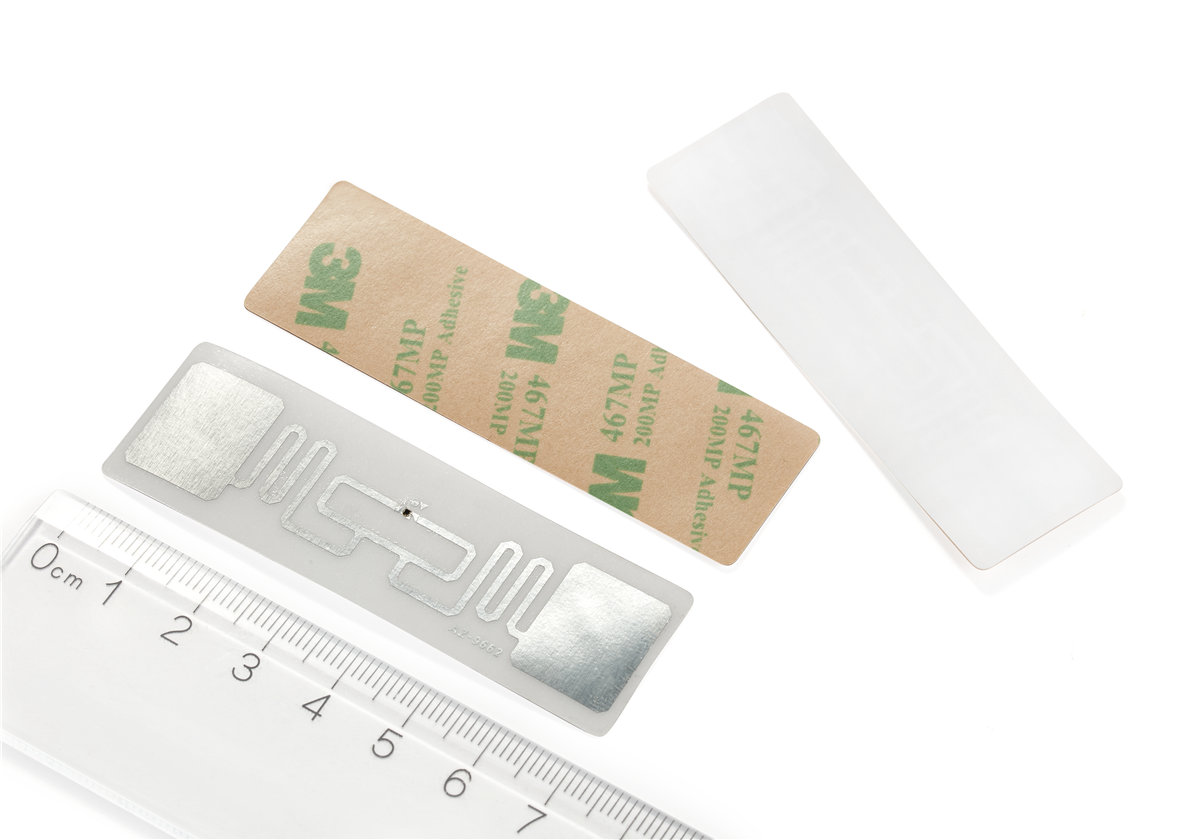
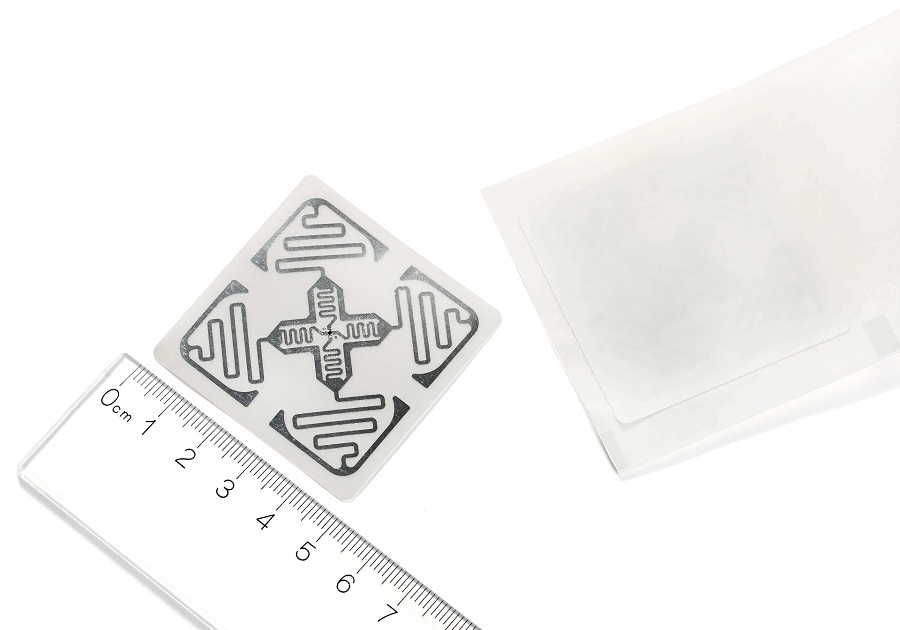
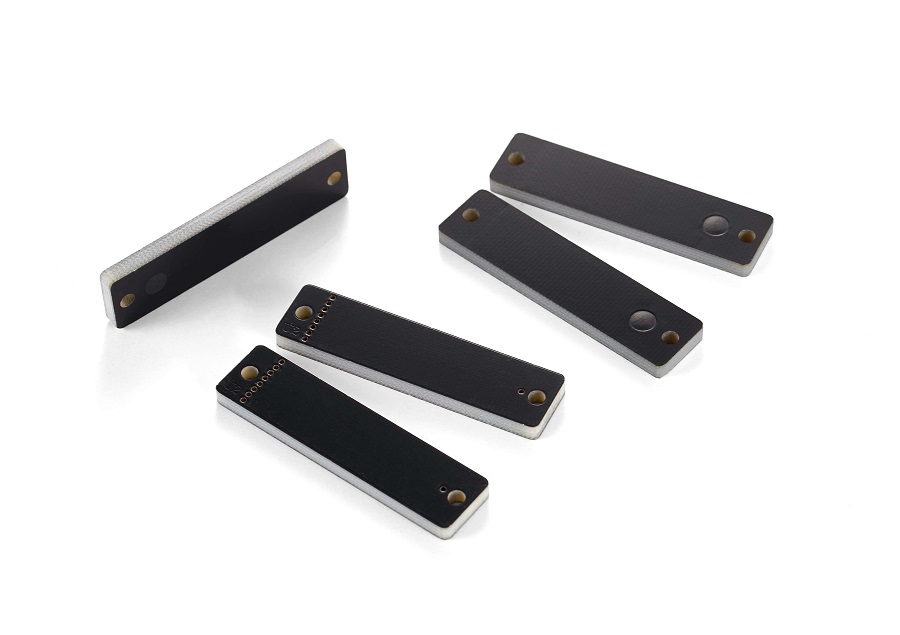
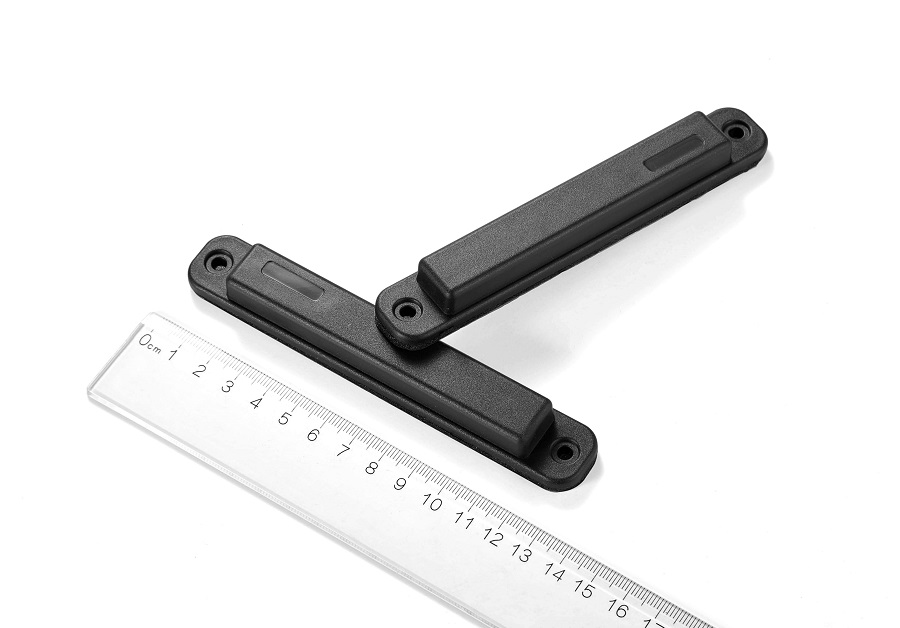
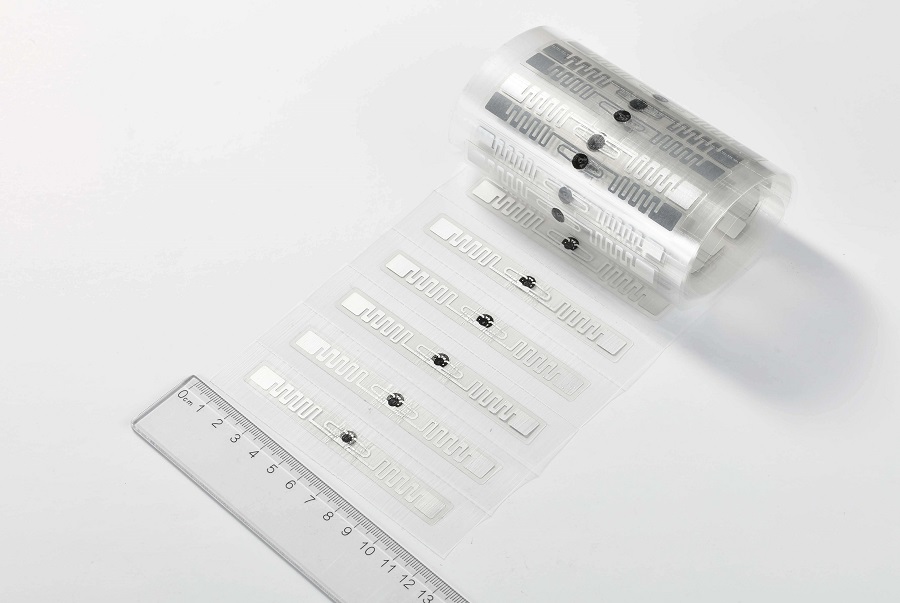
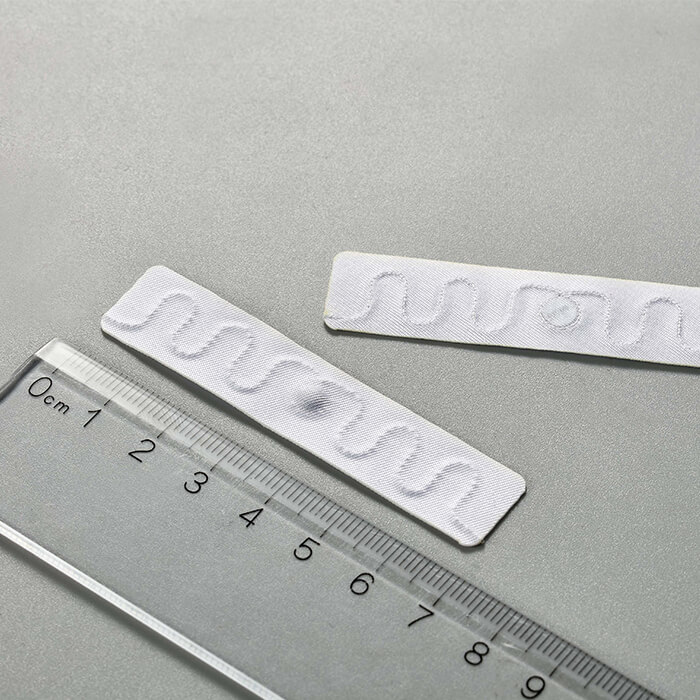
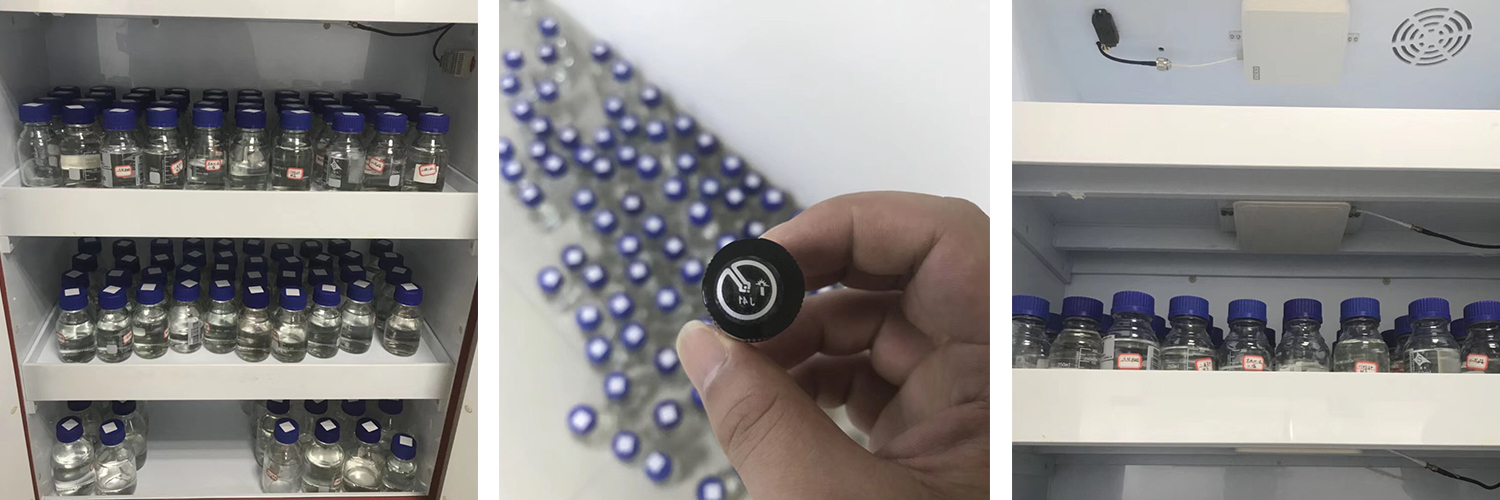
In RFID-enabled smart reagent management cabinets, each reagent bottle is affixed with an RFID tag upon entry, encoding details such as the reagent name, batch number, expiration date, hazard classification, and storage conditions. Once placed inside, the cabinet's internal RFID readers and antenna arrays automatically detect and read the tag data, enabling contactless, batch-based, and automated identification.
Compared to traditional QR code or barcode scanning methods, RFID technology offers the following significant advantages:
1. Batch reading without alignment: While barcodes require scanning each bottle individually at close range, RFID allows for the simultaneous identification of multiple bottles within the cabinet. No visual alignment is needed; inventory checks can be performed in bulk simply by opening the cabinet, drastically reducing the time required.
2. Non-line-of-sight reading and resistance to contamination: QR codes and barcodes become unreadable if obscured by liquids, stains, or creases. In contrast, RFID tags can be placed on the back of the bottle and remain reliably readable even if the surface is soiled with reagents or dust.
3. Rewritable data: QR codes are written once, meaning any change in reagent information requires replacing the tag. RFID tags support multiple read/write cycles, allowing data regarding reagent issuance, return, and status updates to be modified directly on the tag.
4. Long-range identification and automated data collection: Leveraging the cabinet's internal antenna array, reagents are automatically identified upon placement without the need for handheld scanners. The system updates inventory in real-time, minimizing manual intervention and enabling unmanned, dynamic monitoring.
5. Enhanced safety and traceability: Tags can securely store encrypted information on hazardous chemicals, making them resistant to tampering. When integrated with cabinet access controls, the system can link reagents to specific users and maintain a complete audit trail of reagent movement, meeting compliance requirements for laboratory hazardous chemical management.
6. Longer service life: Paper barcodes are prone to wear and detachment. RFID tags typically utilize durable substrates that resist chemical corrosion, ensuring greater stability during long-term, repeated use.
Main RFID Devices:
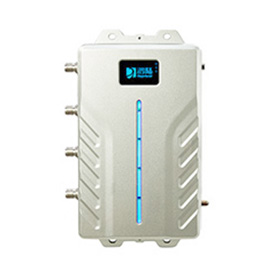
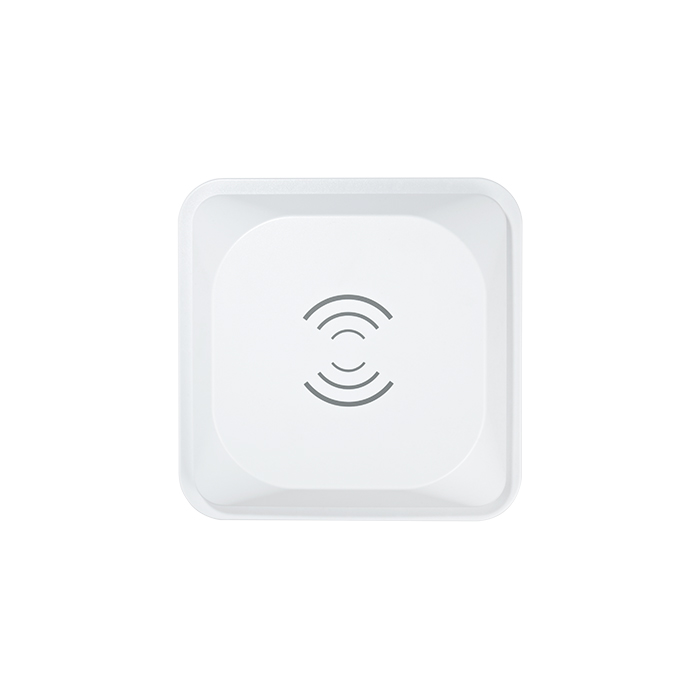
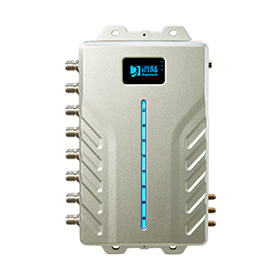
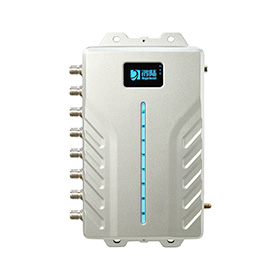
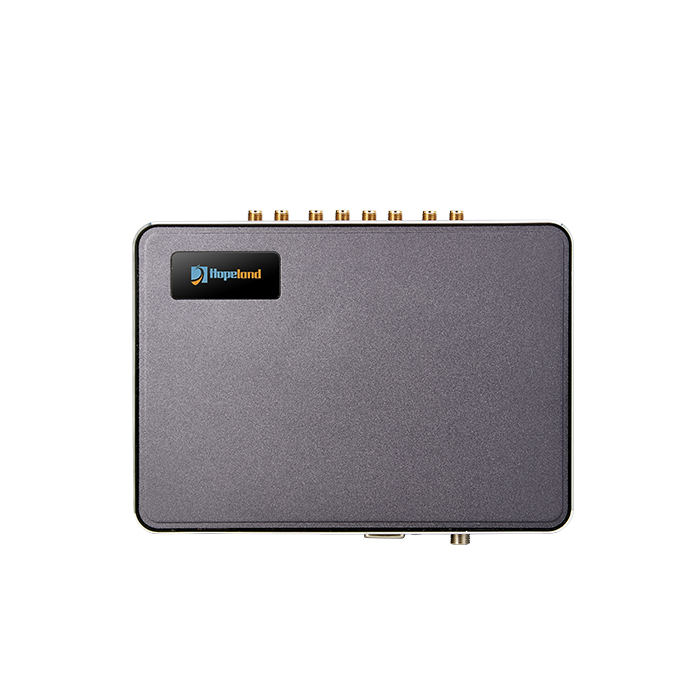
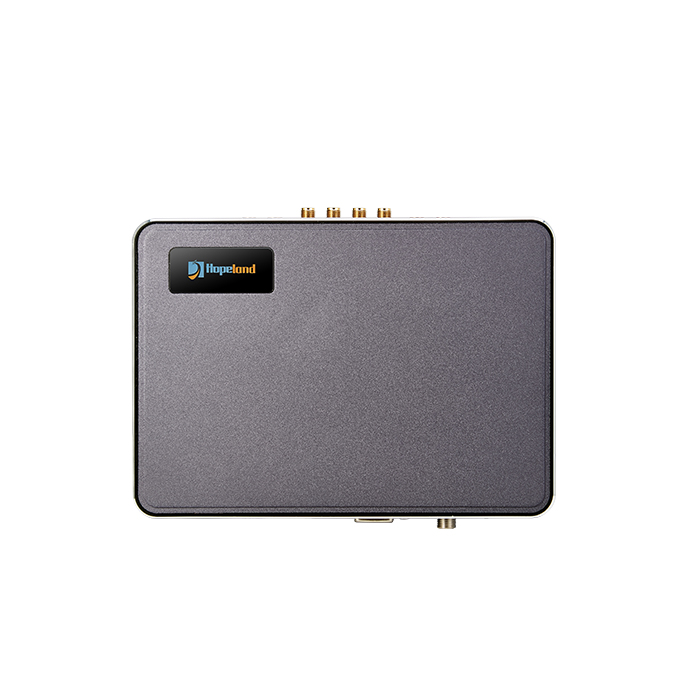
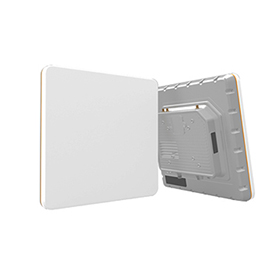
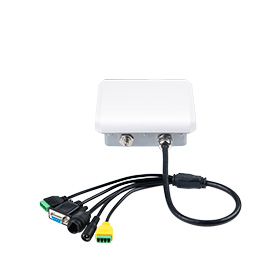
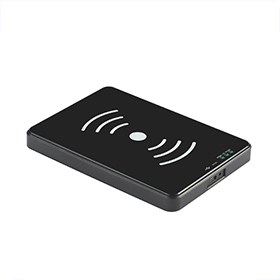
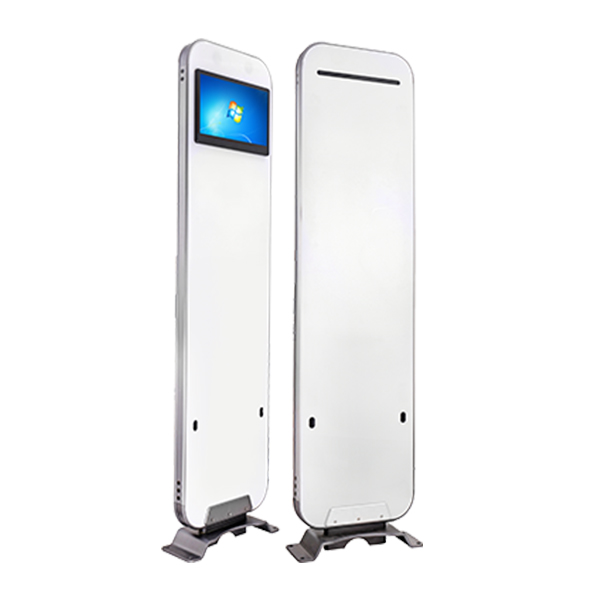
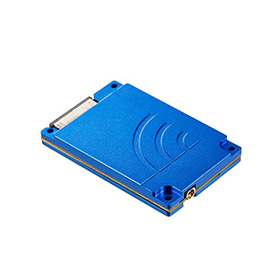
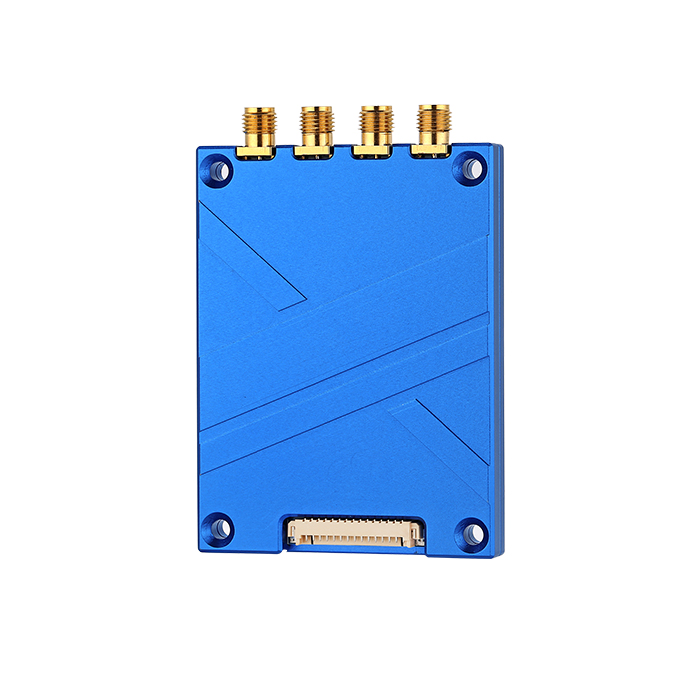
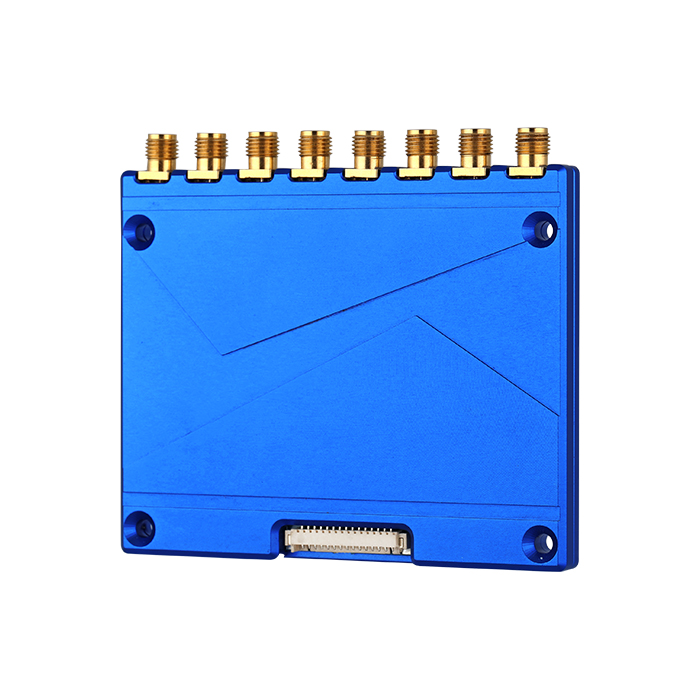
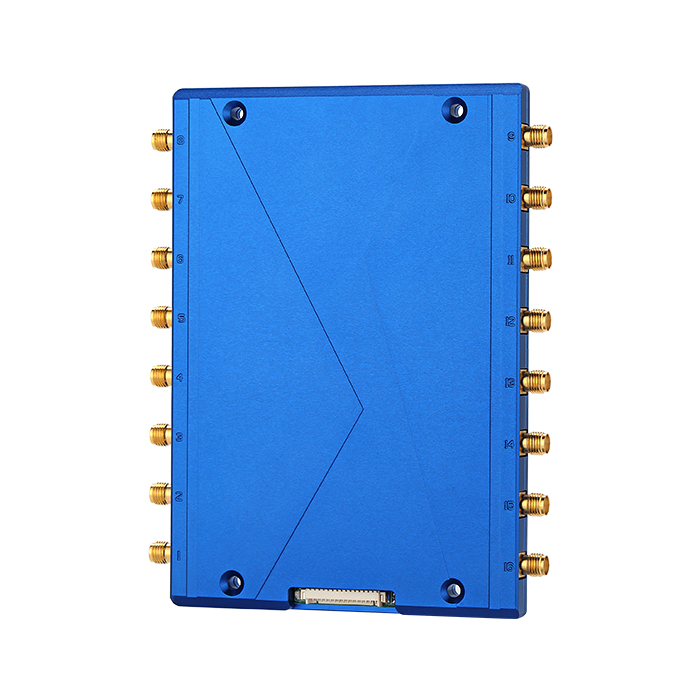
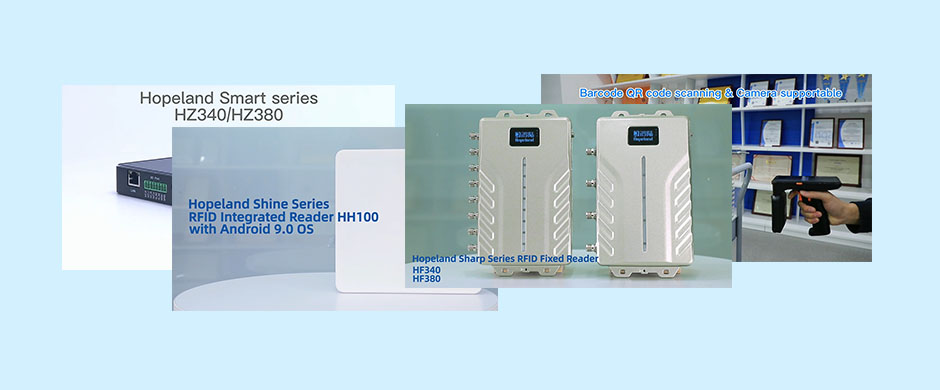
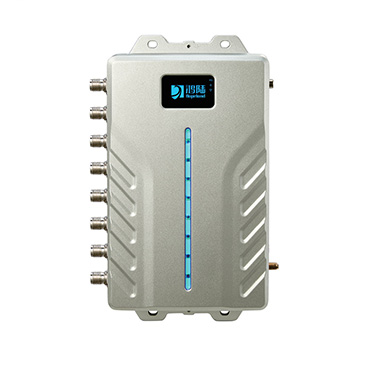
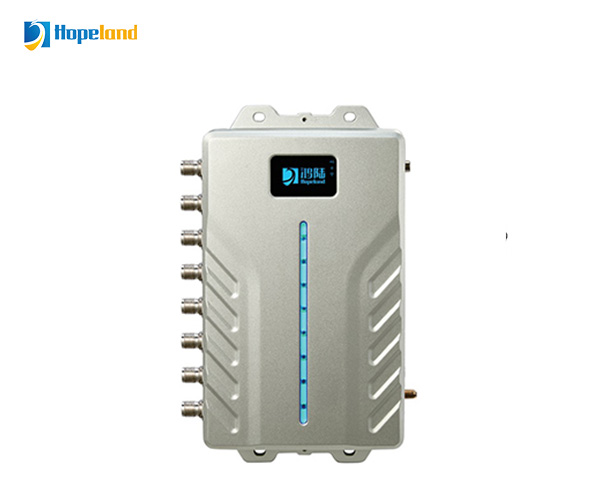
1.Fixed RFID Reader-HH380/HF380/HZ380 Payment and Access management 8 port
2 Infrared Sensor Track the goods, activate tag reading and direction identify Connect with Reader
3 Broadcasting system Audio Broadcasting
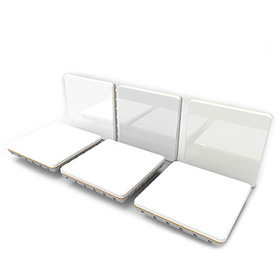
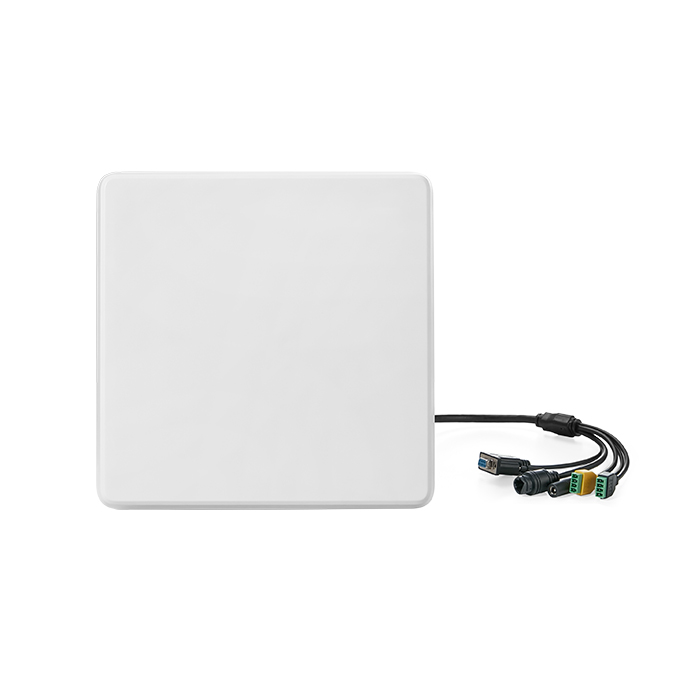
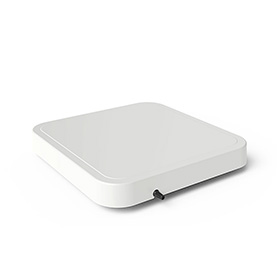
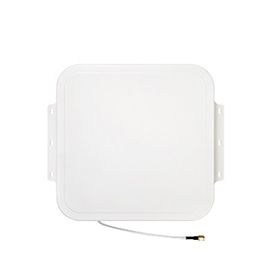
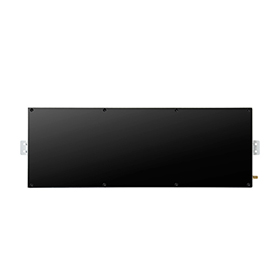
4 Near field Antena-CL7205BN Cashier to identify goods
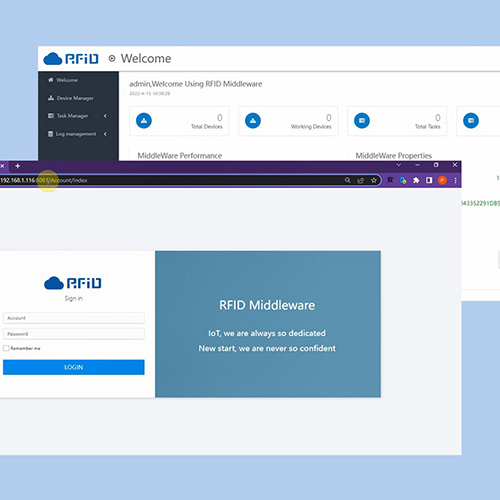
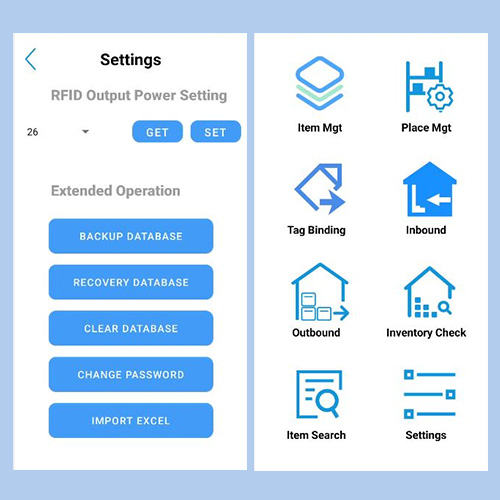
5 Store management Software Store and payment management, work with the system
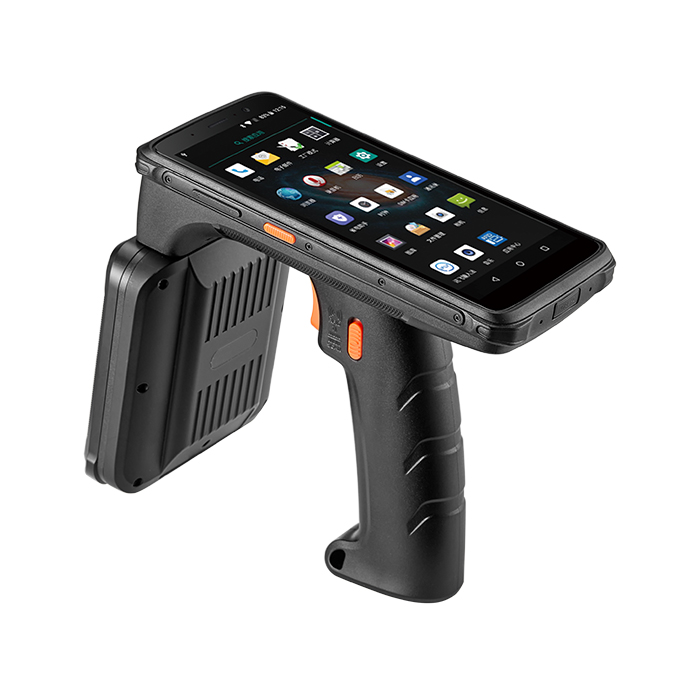
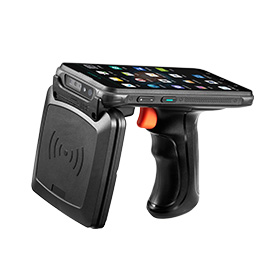
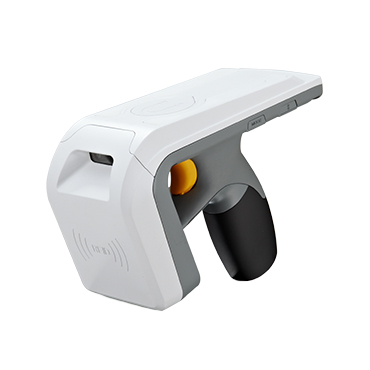
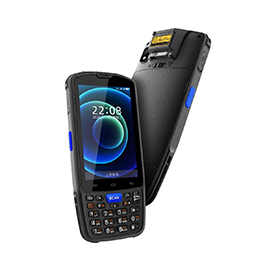
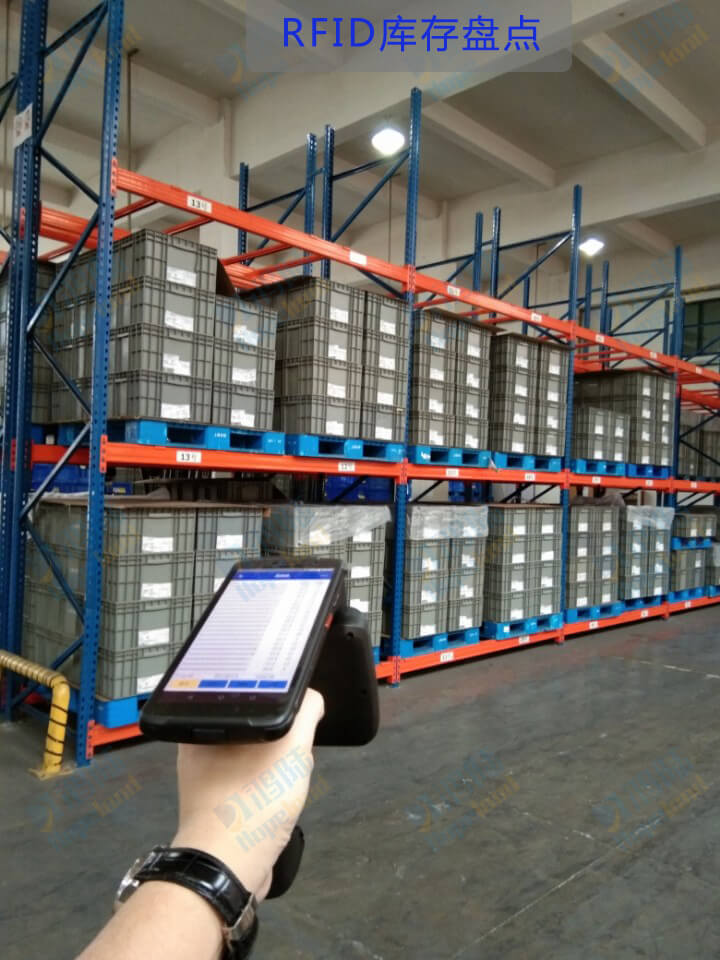
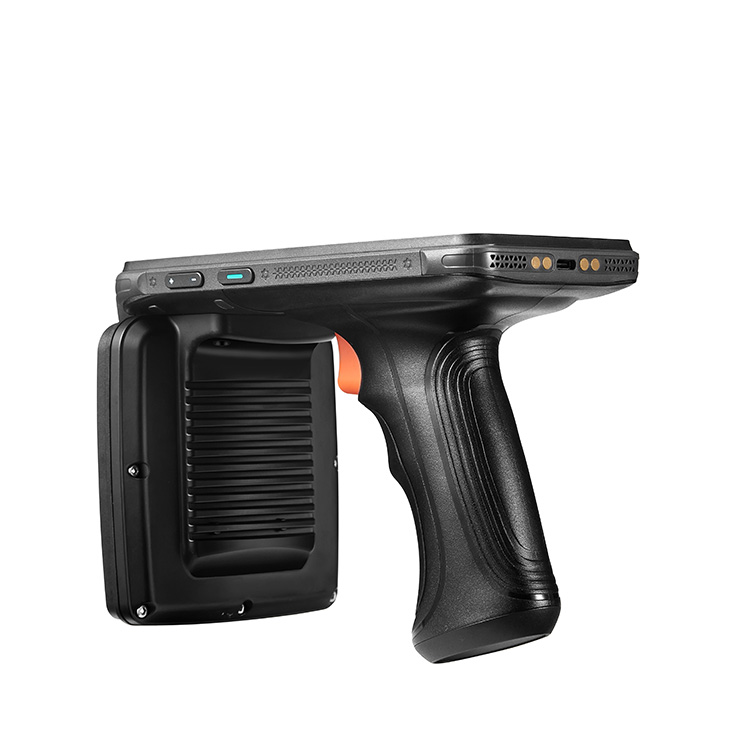
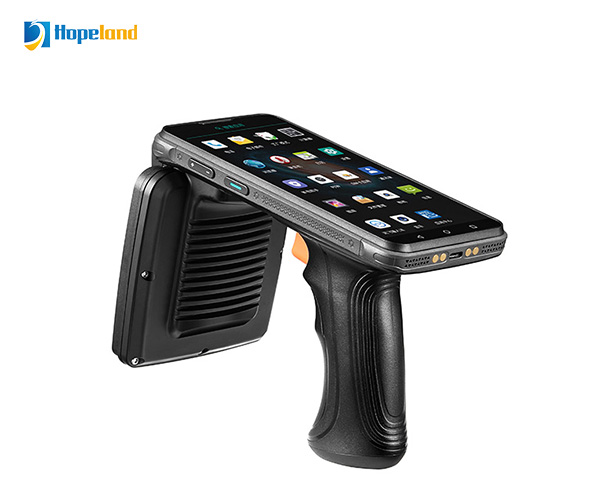
6 Handheld Terminal - HY830 Good information check, search, and inventory Two types of long and short distance
Summery
As a key component of smart laboratory management infrastructure, RFID smart reagent management cabinets are entering a period of rapid market growth. Driven by factors such as increasingly stringent laboratory safety regulations, the accelerated development of smart laboratories, and sustained growth in scientific research investment, the market for smart reagent cabinets is projected to maintain an annual growth rate of over 20% in the coming three to five years.
This document provides a comprehensive overview of the product specifications, system solutions, and application value of Honglu Technology’s RFID smart reagent management cabinets, serving as a reference for customer selection and technical evaluation. We invite customers and partners to contact us as we work together to advance the intelligent transformation of laboratory reagent management.


