

















































 Industry Events
  Company News
  Blog
Blog

As the highly anticipated 2026 World Cup in the USA, Canada, and Mexico progresses, the number of matches and spectator volume have surged dramatically, significantly increasing the complexity of cross-venue security, crowd management, and resource control. The event’s core operations leverage a dual-frequency RFID approach—combining High Frequency (HF) and Ultra-High Frequency (UHF) technologies. UHF RFID, with its advantages of long-range capability, batch identification, and comprehensive data capture, serves as the backbone for efficient management and digital operations; meanwhile, HF technology provides essential security features, ensuring the tournament runs smoothly and securely.
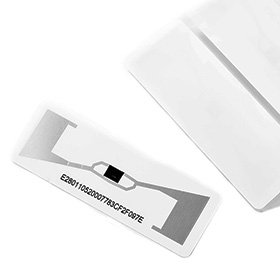
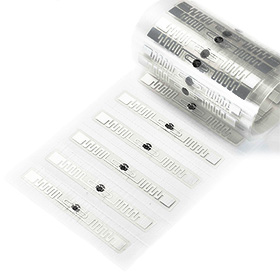
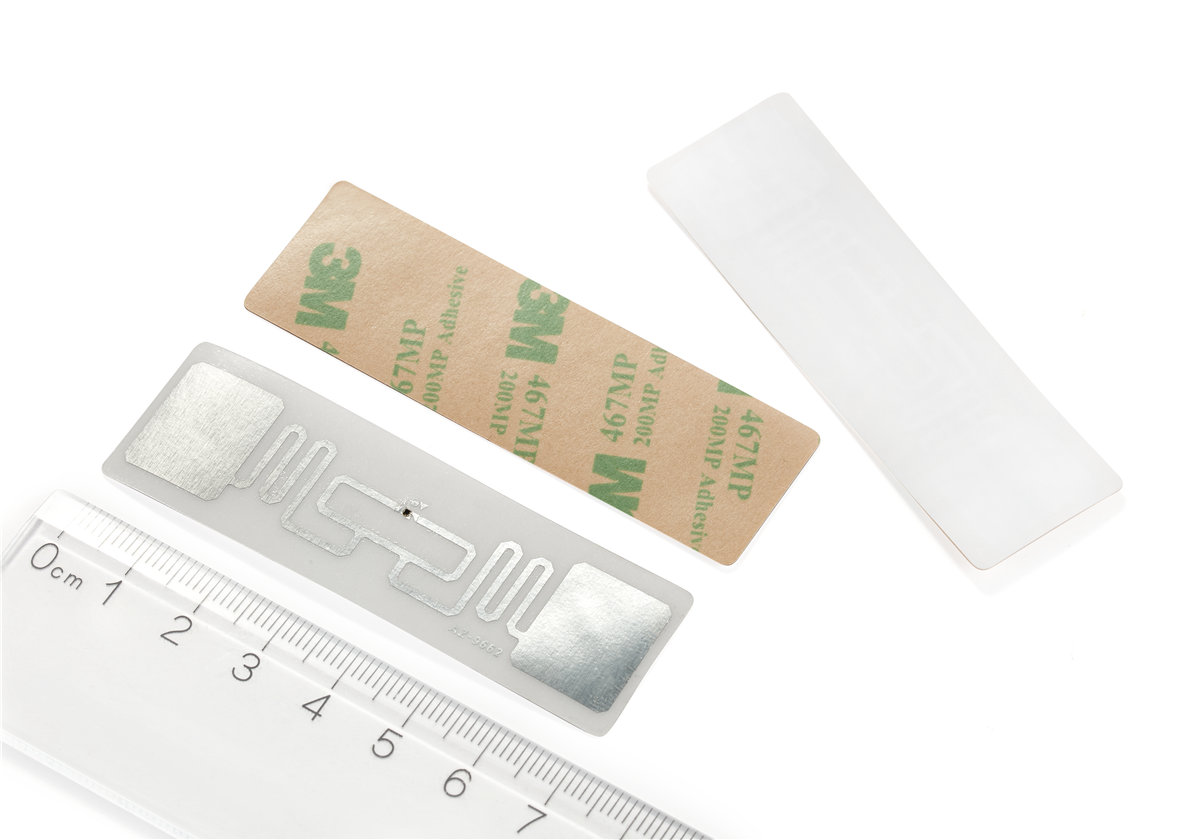
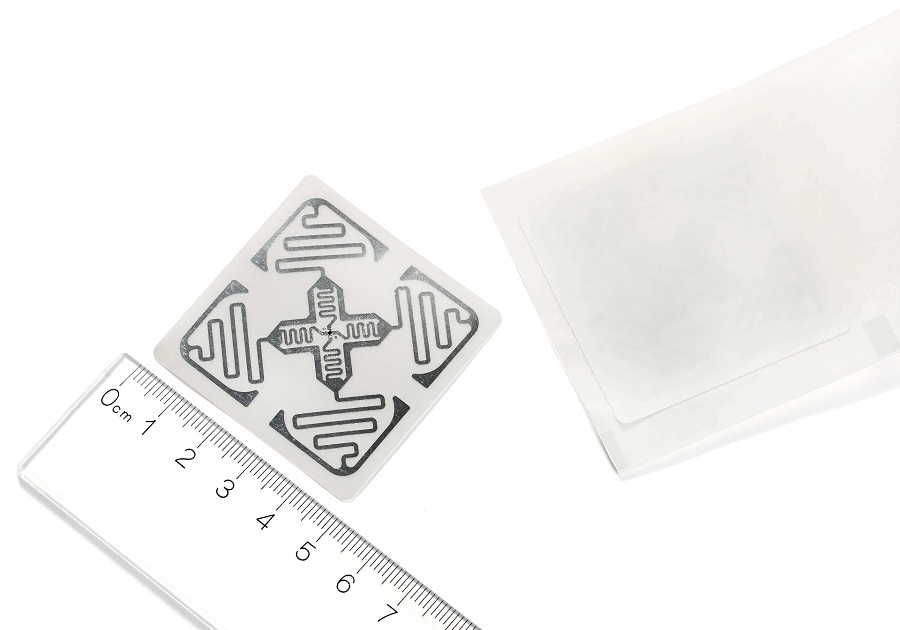
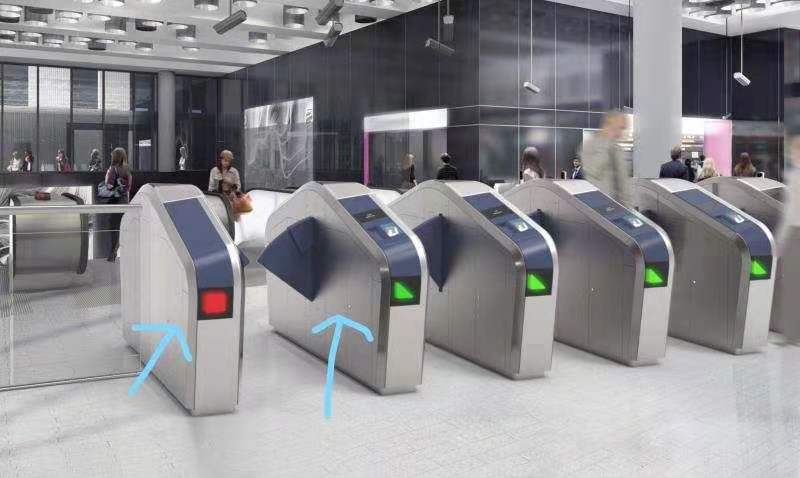
Ticketing and access control utilize a collaborative dual-frequency model with clearly defined roles. HF chips, embedded in fan tickets, prioritize security; they employ dynamic hardware encryption to provide robust anti-counterfeiting and anti-cloning protection, safeguarding the integrity of the ticketing system. Conversely, UHF RFID focuses on efficient entry and crowd management, integrated into staff badges, VIP passes, and wristbands. Its long-range, contactless reading and simultaneous multi-tag identification capabilities allow for seamless crowd data collection in high-traffic scenarios. This enables precise venue crowd statistics, traffic trend analysis, and intelligent crowd diversion, effectively resolving congestion caused by massive surges of people and significantly boosting venue throughput.

Regarding digital services, the event leverages HF NFC (Near Field Communication) technology to establish a "FIFA Fan ID" smart identity system, offering convenience to fans. Comprehensive venue security relies on this dual-frequency RFID technology to create a precise and efficient management system, with UHF RFID handling the core function of dynamic, venue-wide tracking. UHF RFID technology supports wide-range, bulk, and seamless continuous identification. It enables the automated, round-the-clock recording of movement patterns and access logs for media personnel, volunteers, and event officials, creating a comprehensive digital security data record that provides precise data support for security dispatch and post-event analysis. For highly sensitive areas such as command centers and core server rooms, the system integrates HF (High Frequency) short-range precision card-tapping modes. This mitigates risks—such as misreads caused by signal scattering or unauthorized tailgating—inherent to UHF technology, thereby achieving a dual-layer security effect: dynamic, wide-area monitoring combined with precision protection for core zones.
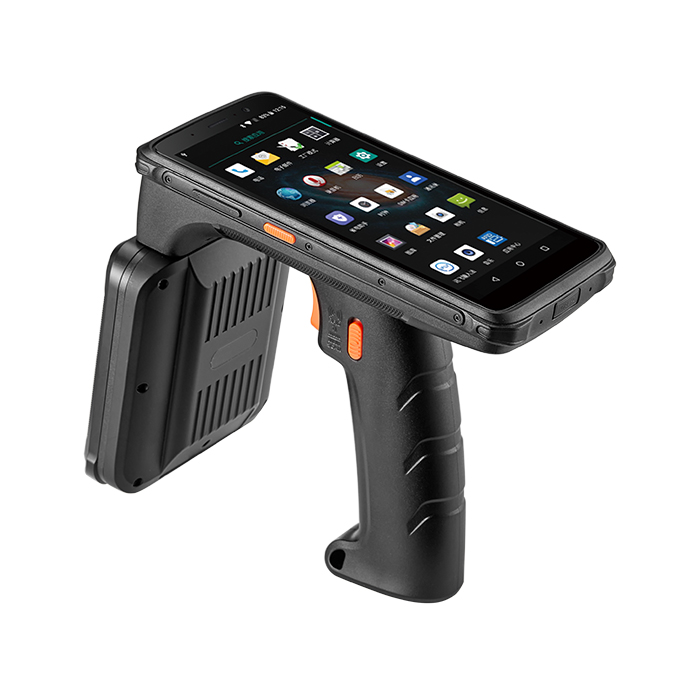
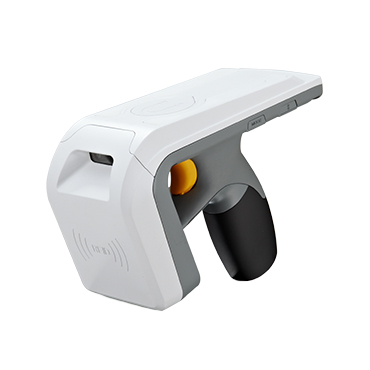
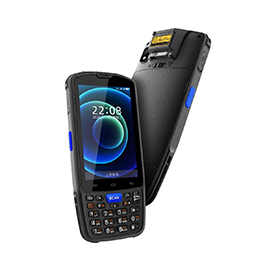
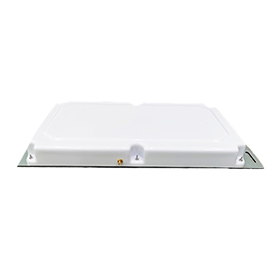
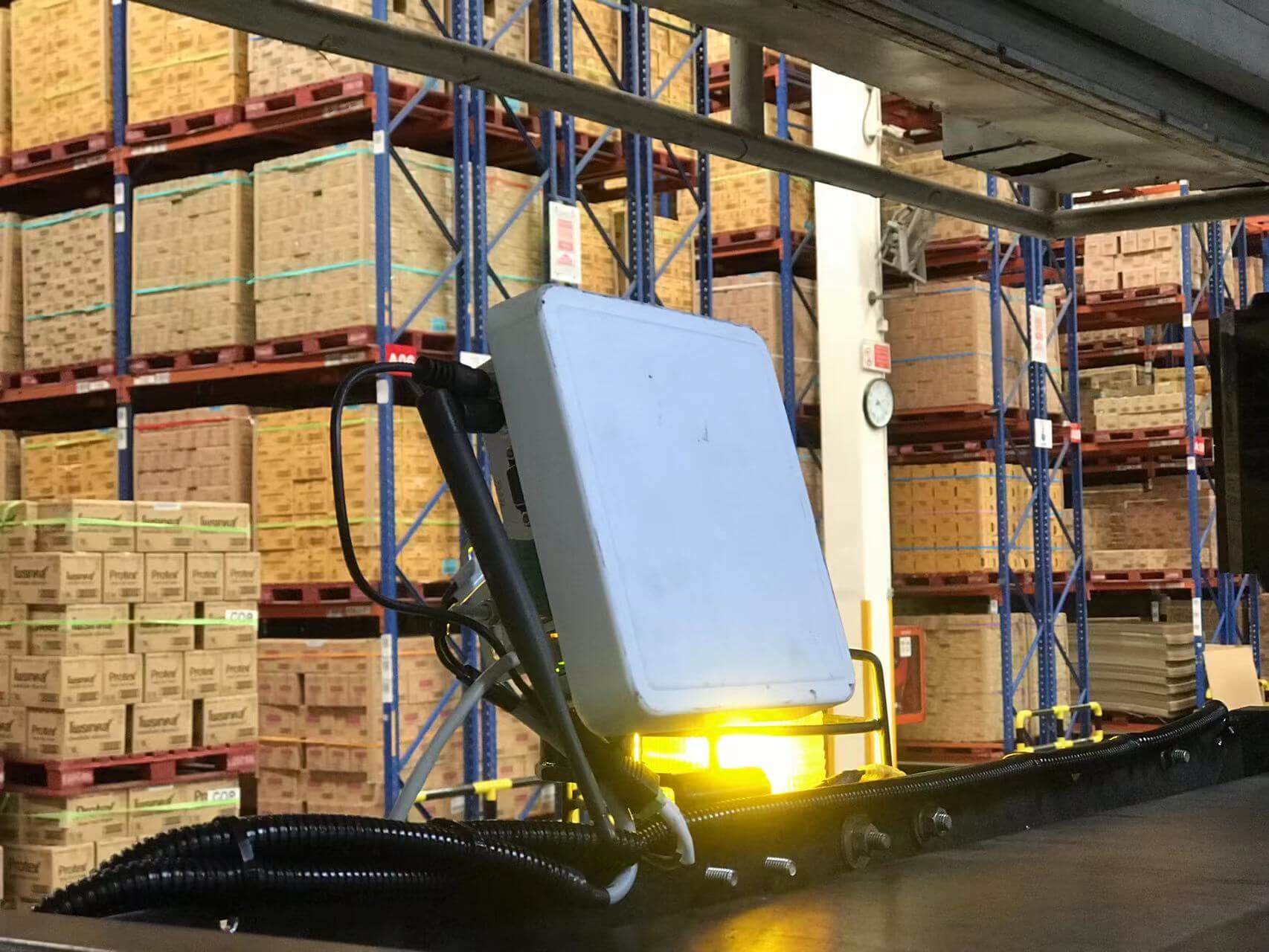
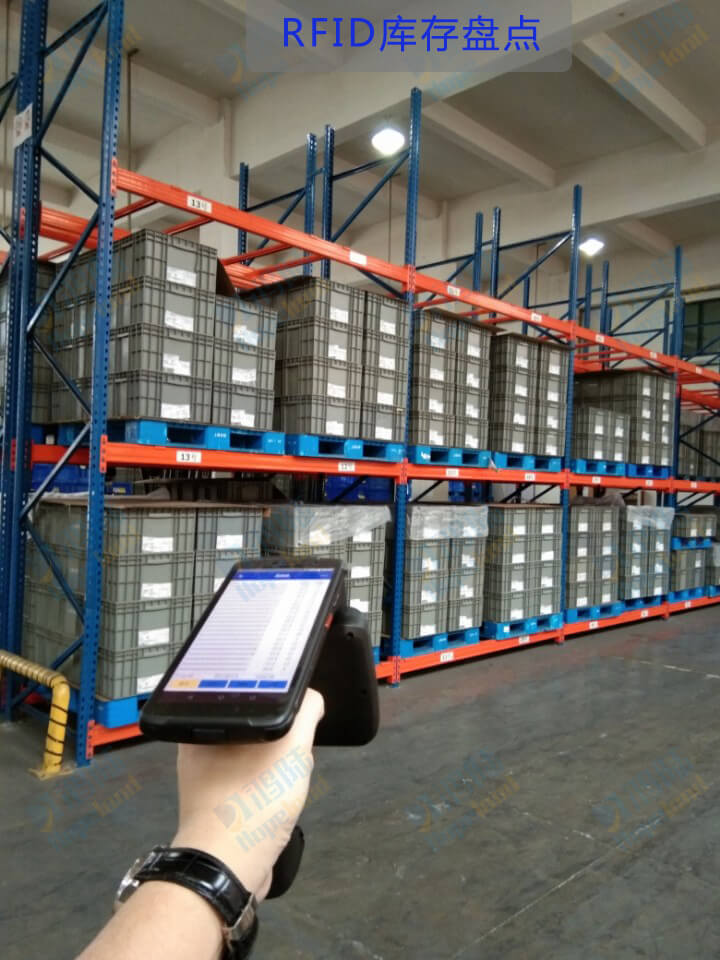
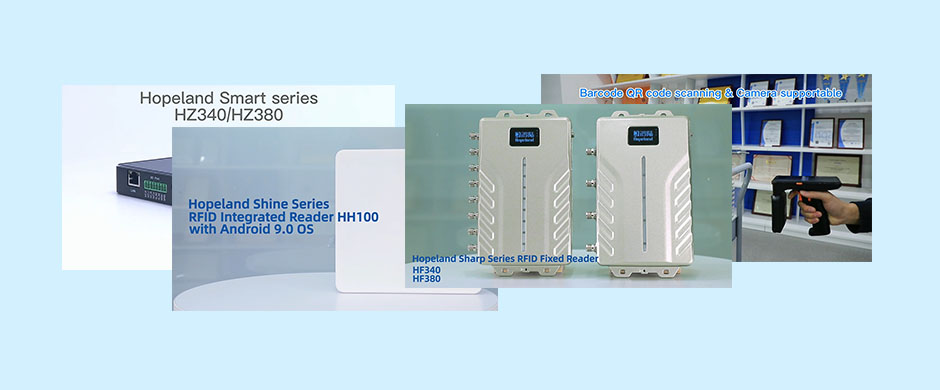
Cross-border logistics and supply chain management represent another key application area for UHF RFID technology. World Cup event supplies are diverse and involve massive cross-border transport volumes; traditional manual unpacking and inventory methods are inefficient and prone to error. Leveraging the superior penetration capabilities and rapid bulk identification speeds of UHF RFID tags, staff can use handheld devices and tunnel-style reader gates to conduct bulk inventory and rapid verification of entire cases of supplies without unpacking them. This enables end-to-end visual traceability across warehousing, customs clearance, and inbound/outbound logistics, fundamentally optimizing supply control processes, drastically reducing human error, and comprehensively enhancing the operational efficiency and standardization of the event's logistics supply chain.
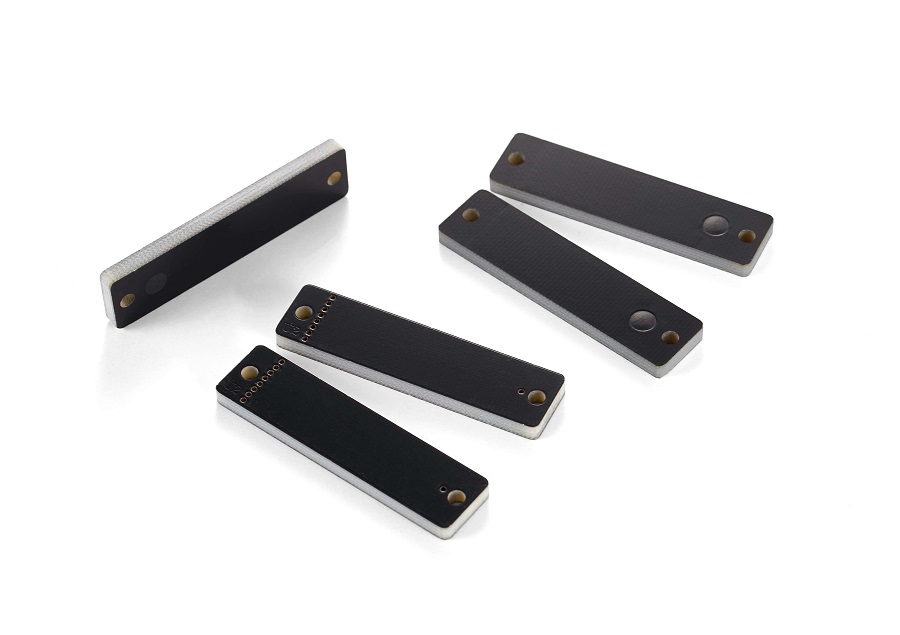
It is also worth noting that the event presents extreme operational challenges—such as signal absorption by dense crowds and interference from stadium steel structures—that rigorously test the signal stability, anti-resonance antenna design, and smart card manufacturing quality of the dual-frequency (UHF/HF) RFID systems. In particular, the need for UHF technology to maintain precise identification and stable data capture within complex electromagnetic environments underscores the critical importance of high-end chip manufacturing and precision antenna design. These elements are essential for the stable operation of the event's intelligent RFID systems and serve as the core technical foundation for implementing digital operations.
 Prev
Prev


